Be yourself; Everyone else is already taken.
— Oscar Wilde.
This is the first post on my new blog. I’m just getting this new blog going, so stay tuned for more. Subscribe below to get notified when I post new updates.
Travel with Mella: Ni hao Edition
It's a big world out there, let's explore them!
Be yourself; Everyone else is already taken.
— Oscar Wilde.
This is the first post on my new blog. I’m just getting this new blog going, so stay tuned for more. Subscribe below to get notified when I post new updates.
Planning your next trip and want to be prepared? or just simply interested in their culture and want to widen your knowledge about it? Whatever the reason is, do not fear, Mella’s got you! Let’s dive in to China’s interesting culture!
China, officially known as People’s Republic of China, is the most populous country. It having more than 1.4 billion people, it is the fourth largest country in the world, largest country in Asia, and has the largest population in the world! It is an ancient country having a profound history and was a land of invention. Beijing, the capital of the People’s Republic, is also the cultural, economic, and communications center of the country. For centuries, China was much more advanced than most countries; they invented paper, the magnetic compass, printing, tea porcelain, silk, gunpowder, the artistic writing called calligraphy, and so much more! You name it, they probably made it.
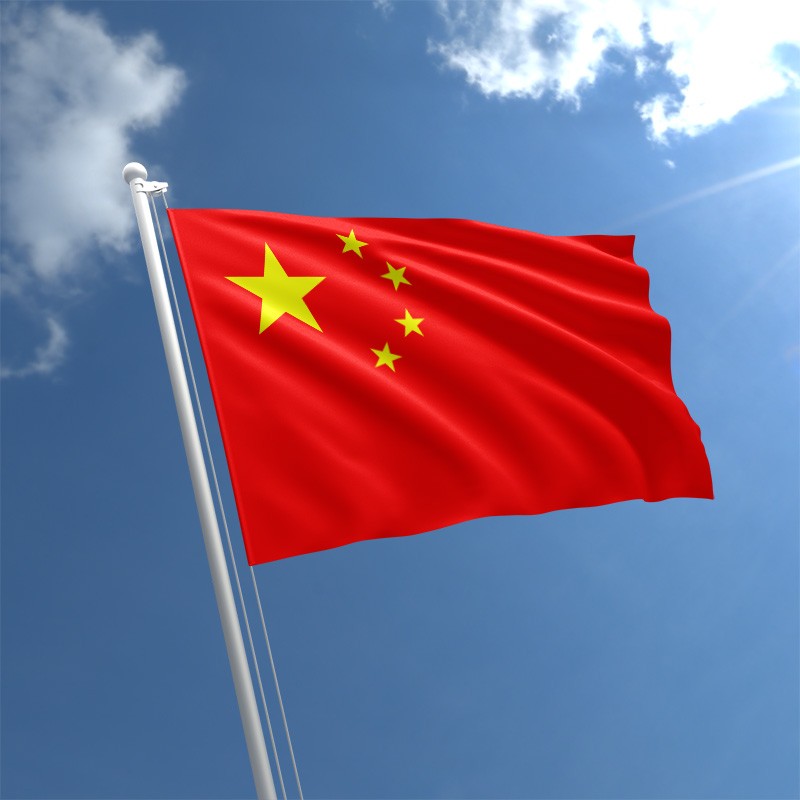
Now that we already know the background of China, let us continue our journey to its culture! China has an original and unique culture. China is an ancient civilization, meaning that the first settled and stable communities became the basis for later states and nation. The Chinese culture features an abundance of the material and spiritual values which is unchanged over thousands of years. In spite of the influences from outside and numerous invasions, the Chinese culture preserved its individuality and unique identity.
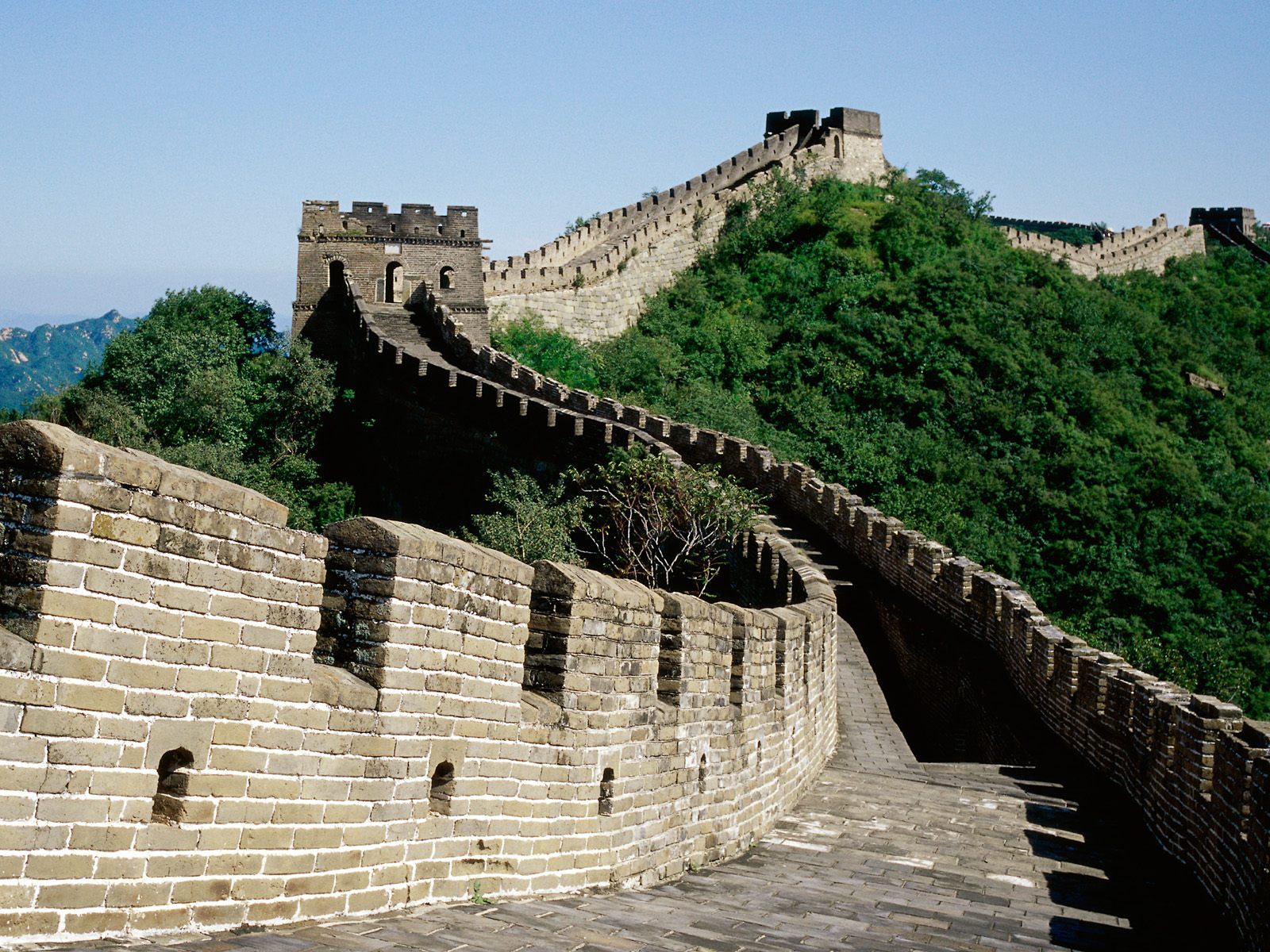
Let’s kick things off by staring with China’s architecture. The Great Wall of China! Familiar, right? It is the most famous and known architecture in China which was built and enhanced during the Ming Dynasty that stretches nearly 5,500 miles. It was made to defend of invasions from northern invaders.
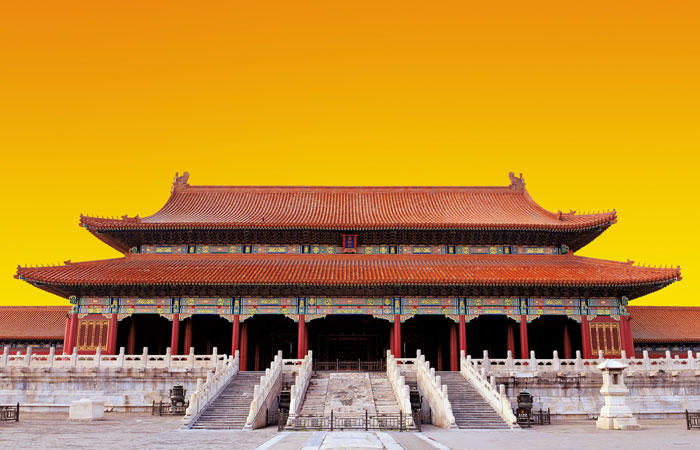
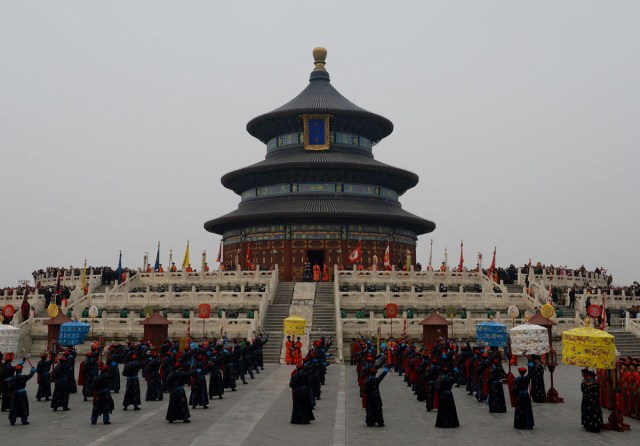
Moving on to the next architecture, The Museum Palace is a national museum housed in the Forbidden City at the core of Beijing, China. It was established in 1925 after the last Emperor of China was evicted from his palace and opened its door to the public but the Palace itself was built in 1420. It was declared a World Heritage Site in 1987, and is listed by UNESCO as the largest collection of preserved ancient wooden structures in the world.
Next part of the culture that I will be mentioning is their language. China’s official dialect is Mandarin also called “Putonghua”. The Chinese characters written in Mandarin is Hànzì. Each Hànzì has its own pronunciation and meaning. As a language enthusiast, it is personally hard for me to learn Mandarin with its complex characters and their intonation when speaking.

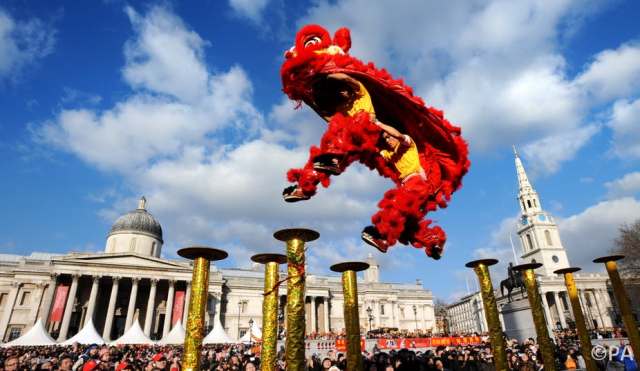
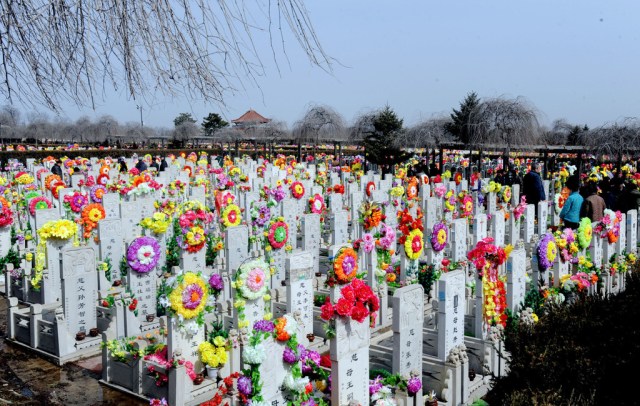
Let us proceed to China’s lifestyle! The traditional Chinese way of life is harmonious among the individual, the family, and society. In terms of their family life, it is still very traditional and family importance as well as family reputation is highly rated. The Chinese parents are still strict and expect a good deal of respect. Their clothing style is almost similar to Western culture. However, it is also still influenced by local designs and create. The People in China are more outgoing during the night and enjoy the time at pubs, bars, cafes, party districts, and disco clubs. Visiting karaoke places is one of the most popular ways to spend social time among them. There are plenty of karaoke houses or KTVs in the big cities of China. Prepare your voice and start singing! Chinese holidays are up! Expect to enjoy plenty of holidays when in China. There are many short holidays in China like Chinese New Year, Qingming Festival, National Day, and Labour Day! If you’re a student, you’re in luck!
Last part of their culture is food! Yum! A Chinese meal is consisted of two parts: staple food which is the rice, noodles, steamed buns, and ts’ai , vegetable, and meat dishes. The primary eating utensils are chopstick which is for solid food and ceramic spoon for soups and congees.
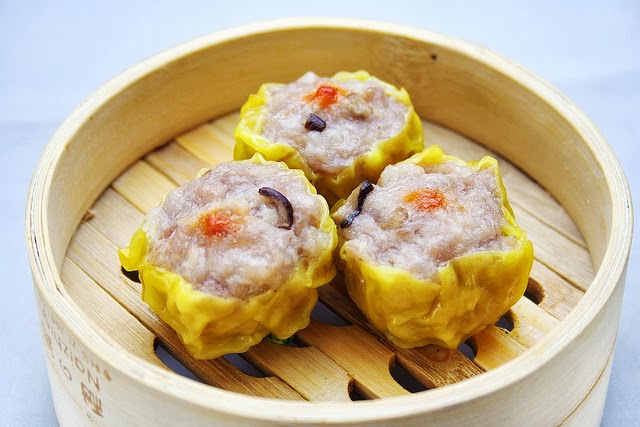
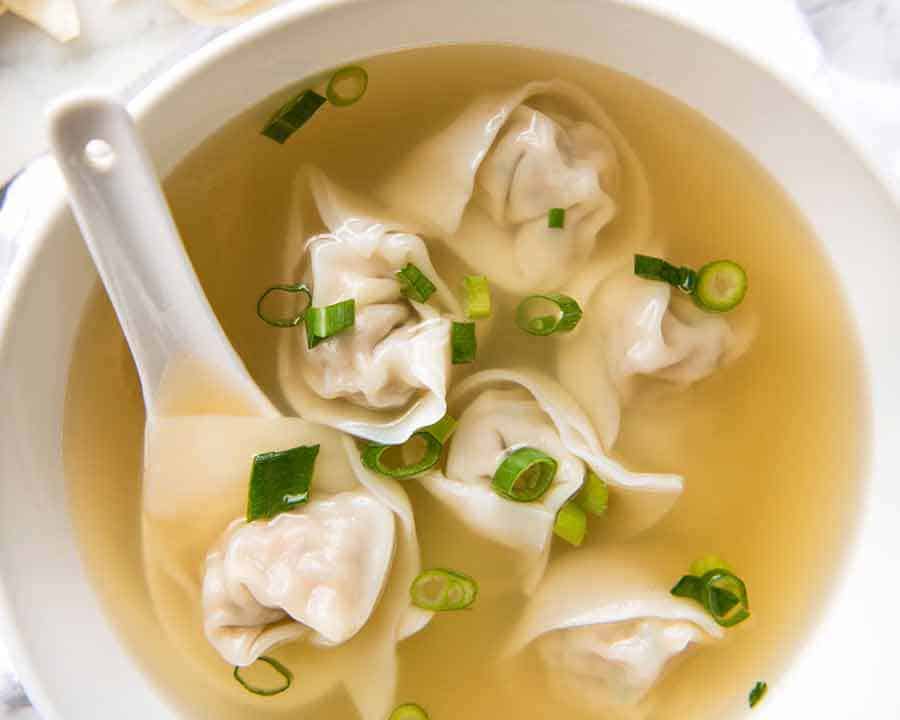
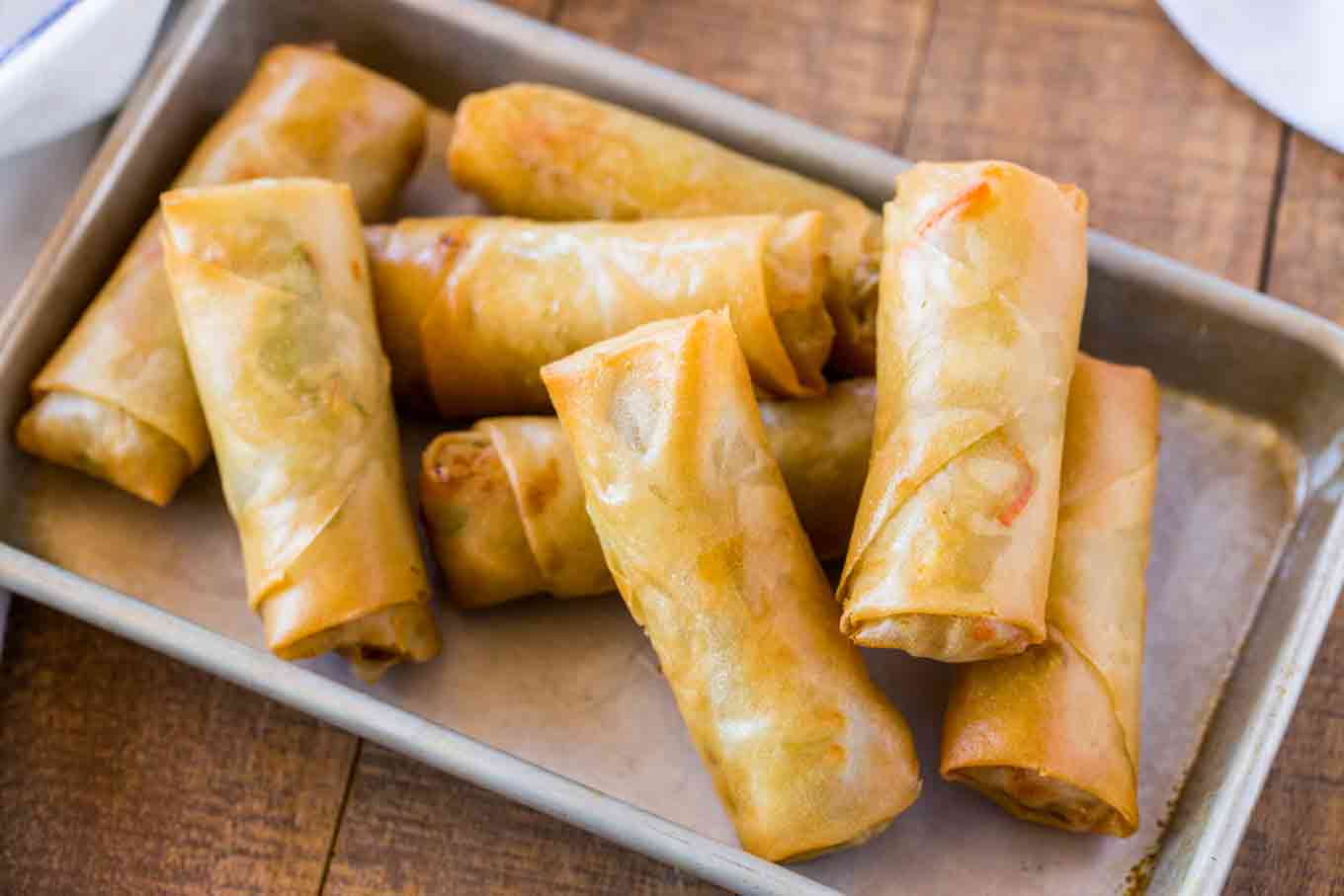
This part will make your mouth water, get ready! Siomai is a type of Chinese dumpling. Wontons are boiled and usually eaten in soup with veggies and sometimes noodles. Spring rolls are savory rolls with cabbage and other vegetable fillings inside a thinly wrapped pastry.
Sadly, all good things must come to an end. Thank you for joining me explore the culture of China. I hope that this trip with me helped you learn more about China. Join me next time as we explore other cultures! Well, until next time! That’s all for now. zài jiàn (good bye)
Planning your next trip and want to be prepared? or just simply interested in their culture and want to widen your knowledge about it? Whatever the reason is, do not fear, Mella’s got you! Let’s dive in to China’s interesting culture!
China, officially known as People’s Republic of China, is the most populous country. It having more than 1.4 billion people, it is the fourth largest country in the world, largest country in Asia, and has the largest population in the world! It is an ancient country having a profound history and was a land of invention. Beijing, the capital of the People’s Republic, is also the cultural, economic, and communications center of the country. For centuries, China was much more advanced than most countries; they invented paper, the magnetic compass, printing, tea porcelain, silk, gunpowder, the artistic writing called calligraphy, and so much more! You name it, they probably made it.
Now that we already know the background of China, let us continue our journey to its culture! China has an original and unique culture. China is an ancient civilization, meaning that the first settled and stable communities became the basis for later states and nation. The Chinese culture features an abundance of the material and spiritual values which is unchanged over thousands of years. In spite of the influences from outside and numerous invasions, the Chinese culture preserved its individuality and unique identity.
Let’s kick things off by staring with China’s architecture. The Great Wall of China! Familiar, right? It is the most famous and known architecture in China which was built and enhanced during the Ming Dynasty that stretches nearly 5,500 miles. It was made to defend of invasions from northern invaders.
Moving on to the next architecture, The Museum Palace is a national museum housed in the Forbidden City at the core of Beijing, China. It was established in 1925 after the last Emperor of China was evicted from his palace and opened its door to the public but the Palace itself was built in 1420. It was declared a World Heritage Site in 1987, and is listed by UNESCO as the largest collection of preserved ancient wooden structures in the world.
Next part of the culture that I will be mentioning is their language. China’s official dialect is Mandarin also called “Putonghua”. The Chinese characters written in Mandarin is Hànzì. Each Hànzì has its own pronunciation and meaning. As a language enthusiast, it is personally hard for me to learn Mandarin with its complex characters and their intonation when speaking.
Let us proceed to China’s lifestyle! The traditional Chinese way of life is harmonious among the individual, the family, and society. In terms of their family life, it is still very traditional and family importance as well as family reputation is highly rated. The Chinese parents are still strict and expect a good deal of respect. Their clothing style is almost similar to Western culture. However, it is also still influenced by local designs and create. The People in China are more outgoing during the night and enjoy the time at pubs, bars, cafes, party districts, and disco clubs. Visiting karaoke places is one of the most popular ways to spend social time among them. There are plenty of karaoke houses or KTVs in the big cities of China. Prepare your voice and start singing! Chinese holidays are up! Expect to enjoy plenty of holidays when in China. There are many short holidays in China like Chinese New Year, Qingming Festival, National Day, and Labour Day! If you’re a student, you’re in luck!
Last part of their culture is food! Yum! A Chinese meal is consisted of two parts: staple food which is the rice, noodles, steamed buns, and ts’ai , vegetable, and meat dishes. The primary eating utensils are chopstick which is for solid food and ceramic spoon for soups and congees.
This part will make your mouth water, get ready! Siomai is a type of Chinese dumpling. Wontons are boiled and usually eaten in soup with veggies and sometimes noodles. Spring rolls are savory rolls with cabbage and other vegetable fillings inside a thinly wrapped pastry.
Sadly, all good things must come to an end. Thank you for joining me explore the culture of China. I hope that this trip with me helped you learn more about China. Join me next time as we explore other cultures! Well, until next time! That’s all for now. zài jiàn (good bye)
This is an example post, originally published as part of Blogging University. Enroll in one of our ten programs, and start your blog right.
You’re going to publish a post today. Don’t worry about how your blog looks. Don’t worry if you haven’t given it a name yet, or you’re feeling overwhelmed. Just click the “New Post” button, and tell us why you’re here.
Why do this?
The post can be short or long, a personal intro to your life or a bloggy mission statement, a manifesto for the future or a simple outline of your the types of things you hope to publish.
To help you get started, here are a few questions:
You’re not locked into any of this; one of the wonderful things about blogs is how they constantly evolve as we learn, grow, and interact with one another — but it’s good to know where and why you started, and articulating your goals may just give you a few other post ideas.
Can’t think how to get started? Just write the first thing that pops into your head. Anne Lamott, author of a book on writing we love, says that you need to give yourself permission to write a “crappy first draft”. Anne makes a great point — just start writing, and worry about editing it later.
When you’re ready to publish, give your post three to five tags that describe your blog’s focus — writing, photography, fiction, parenting, food, cars, movies, sports, whatever. These tags will help others who care about your topics find you in the Reader. Make sure one of the tags is “zerotohero,” so other new bloggers can find you, too.

 Travel with Mella: Ni hao Edition